

Hunting Exotic Species in the United States (USA)
Modern Big Game Hunting in North America
The North American continent offers an incredible variety of big and small game—ranking second only to Africa in huntable species. However, the hunting landscape is shifting rapidly.
Obtaining tags for native U.S. game is becoming increasingly complex and difficult. Furthermore, the skyrocketing cost of hunting premier native species like sheep, caribou, moose, and large bears is pushing these bucket-list adventures completely out of reach for the average hunter.
Exotic Hunting – An Alternative
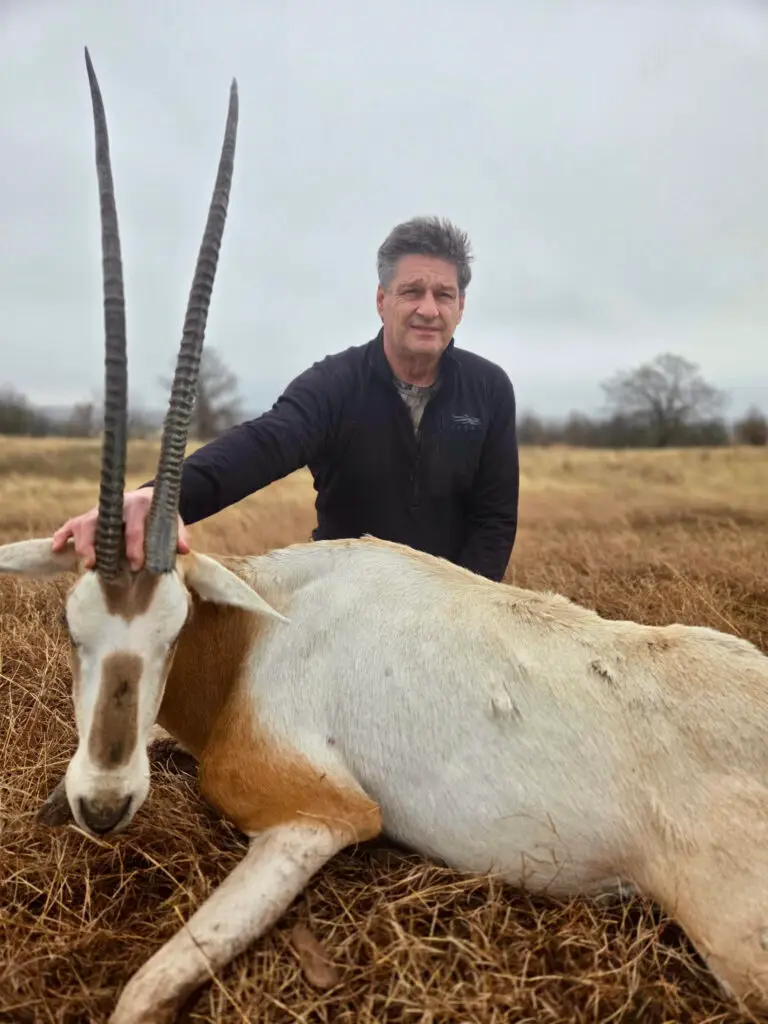
What exactly is an exotic species? By definition, any animal that resides in an area where it is not indigenous and has not been domesticated is considered exotic. Exotic animals living in the United States are native to Africa, Asia, Europe, and to a lesser degree South America.
Fortunately, U.S. hunting preserves offer a phenomenal solution to the tag lottery. While most states outside of Texas and Oklahoma only specialize in Whitetail deer and Elk, the United States collectively hosts over 125 different exotic species.
Texas is the undisputed king of this industry, boasting over 500,000 exotic animals across roughly 500 ranches. These ranches offer tremendous hunting opportunities with an unbeatable variety of game, huge quantity game, and incredible trophy quality.
The High-Fence Objection
Some hunters hesitate at the idea of hunting properties that are not technically “free-range.” However, a closer look may change that perspective:
- Massive Acreage: Most premier exotic ranches are vast, wild landscapes measured in thousands of acres. On a good preserve the animals are wild, wary, and require real hunting skill.
- The African Standard: It is worth noting that South Africa—the world’s premier hunting destination—utilizes high-fence game management almost exclusively.
- Year-Round Access: Unlike the strictly regulated hunting seasons for U.S. big game, these preserves offer year-round hunting options for a massive array of exotic species.
- Travel Distance: For the hunter who doesn’t want to travel internationally, travelling in the U.S. is easy, much cheaper, and less physically demanding.
Hunting is Conservation
The most compelling aspect of exotic hunting is its positive ecological footprint. Several of these 125+ species have actually been saved from the brink of global extinction by residing on private U.S. ranches.
By providing controlled, protected habitats and implementing strict game management practices—where only mature males are harvested—private ranches allow endangered global species to thrive and multiply.
How to Choose an Exotic Ranch
Trophy Hunt Bookers offers premier exotic hunts in Texas and Oklahoma. We only partner with outfitters we have personally hunted with and trust to deliver an exceptional, world-class experience.