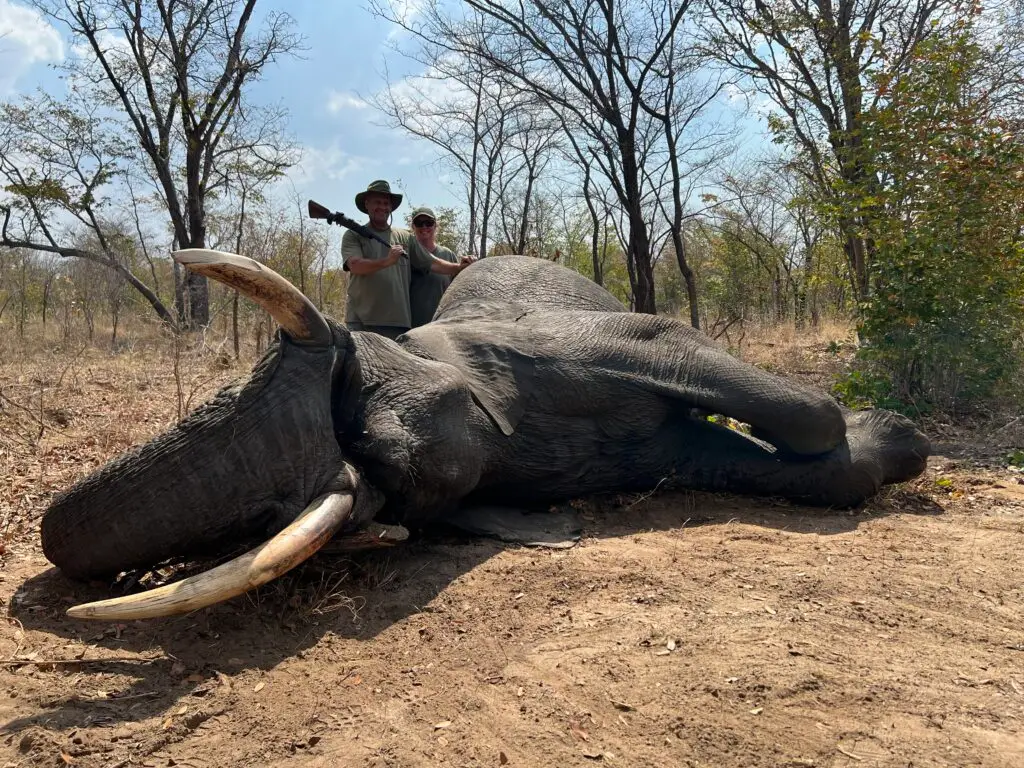

Elephants are the world’s largest living land mammals. They are highly intelligent, social creatures known for their complex family structures and incredible adaptations. These gentle giants play vital roles in maintaining diverse ecosystems across the globe.
There are three living species: the African bush (savanna) elephant, the African forest elephant, and the Asian elephant. African elephants are easily identified by their massive, continent-shaped ears and curved tusks. Asian elephants are slightly smaller, possessing smaller, India-shaped ears and more rounded backs. Both types of elephants are celebrated for their iconic, elongated trunks, which contain over 100,000 muscle units. This extraordinary appendage functions like a fifth limb, used for breathing, drinking water, picking up delicate objects, and greeting other herd members.
Elephants are emotionally complex and form deep, lifelong family bonds. They live in tight, matriarchal herds led by the oldest and largest female, known as the matriarch, who guides the group to food and water. These sentient animals display remarkable empathy, grief, and self-awareness. However, all species currently face severe threats in the wild, primarily driven by habitat loss, human-elephant conflicts, and the illegal ivory trade. Conservation efforts are critical to ensure these magnificent animals continue to roam the savannas and forests.
Description of the Elephant
Elephants are characterized by their massive bodies, columnar legs, sparse coarse hair, and thick, wrinkled, grayish skin. They are universally defined by a long, muscular trunk, large flapping ears, and—in many cases—protruding ivory tusks.
While all elephants share basic traits, physical characteristics vary significantly between the two primary living groups, the African and Asian elephants:
- Ears: Very large and fan-shaped, resembling the map of the African continent.
- Trunk: Features two sensitive, finger-like projections at the tip.
- Back: Concave or sway-backed shape.
- Tusks: Present in both males and females.
- Skin: Highly creased, gray, and covered in bumpy papillae.

Asian Elephant:
- Ears: Smaller and more rounded compared to their African cousins.
- Trunk: Features only one single “finger” at the tip.
- Back: Convex or level shape.
- Tusks: Typically only grown by males, while females grow smaller “tushes” (or no tusks at all).
- Skin: Smoother texture, featuring distinctive pink, de-pigmented patches on the forehead and ears.