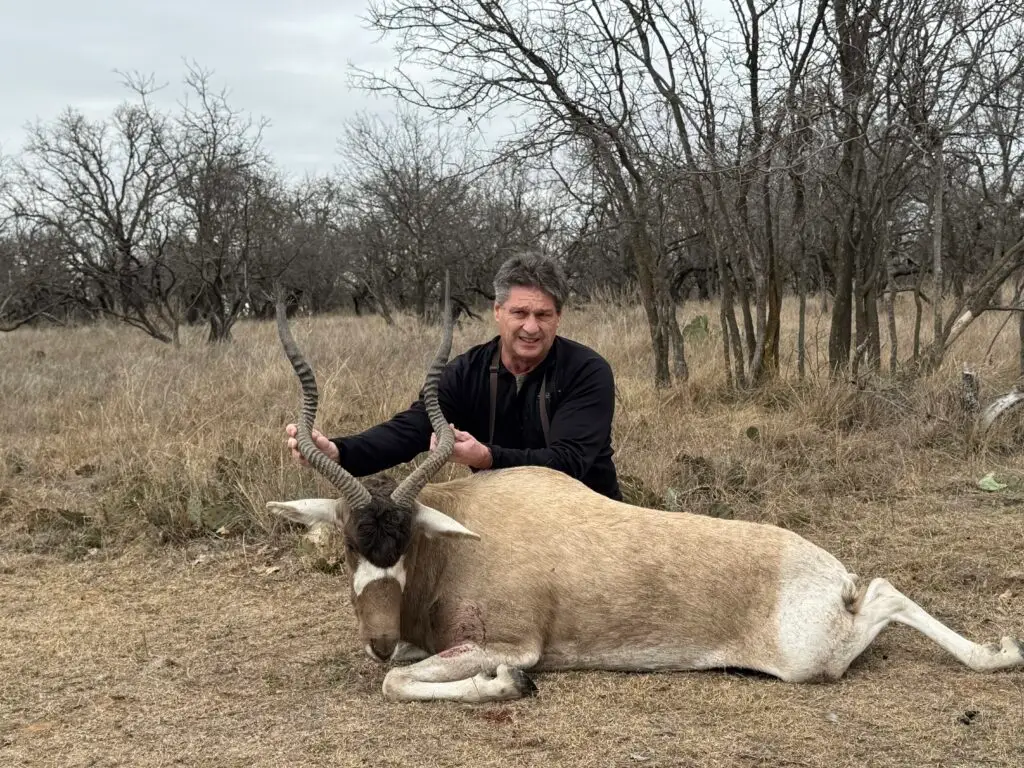

About the Addax
Info About the Addax
The addax, also known as the screwhorn or white antelope, is a critically endangered desert-dwelling mammal. Once roaming in vast herds across the Sahara Desert, these animals are now pushed to the brink of extinction with only a tiny population remaining in the wild.
These animals are considered the most desert-adapted of all antelopes. Their bodies feature numerous physical adaptations that help them endure extreme heat and arid conditions. For example, their coats change color with the seasons—turning almost bright white in the summer to reflect the sun’s harsh rays, and shifting to grayish-brown in the winter to absorb warmth. Furthermore, they have broad, splayed hooves that act as natural snowshoes, allowing them to traverse soft, shifting dunes without sinking. Both males and females possess stunning, spiraled horns that can reach up to 36 inches in length.
Because rainfall in their natural habitat is incredibly scarce, addaxes barely need to drink water to survive. They derive the moisture they need to sustain themselves from desert succulents, wild melons, and coarse grasses. They possess specialized stomach linings that store water pouches to prevent dehydration, and they are mostly nocturnal in the summer, saving energy by resting in the shade or digging depressions in the cool sand during the day.
Description of the Addax
The addax measures from 54 to 66 inches in head-and-body length, and stands from 36 to 44 inches tall at the shoulders, and weighs from 132 to 276 pounds.
Both sexes feature impressive spiraled horns that typically measure from 27 to 33 inches in length.
How Hunting Saved the Addax
Hunting has saved the addax from total extinction primarily through the creation of a thriving, multi-million-dollar private ranching industry in Texas and Oklahoma. Because a mature addax bull is a highly prized trophy by hunters, ranchers have been intensively growing their herds. There are now more addax roaming private ranches in Texas and Oklahoma than exist in the rest of the world combined. If the species goes completely extinct in its native African range, the global survival of the addax is secure because of the stock maintained on hunting properties.
Recommended Calibers
Use a minimum of a 6.5mm caliber rifle to hunt addax.
Where to Hunt Addax
You can hunt addax on private exotic game ranches primarily in Texas and Oklahoma. Thriving captive-bred populations exist in the southern US due to private breeding programs that have allowed the species to grow in large numbers. Addax are critically endangered in their native North African desert habitats.
What is Considered a Trophy Addax
A typical addax trophy is defined by mature bulls with thick, heavy bases and sweeping, symmetrical spiral horns. Trophy quality is measured by the following:
- Horn Length: A highly desirable trophy bull addax will typically have horns exceeding 35 inches. Exceptional, record-class trophies often reach from 40 to 47 inches.
- Mass and Bases: A quality trophy features heavy, deeply ridged bases that maintain their thickness well up the spiral.
- Symmetry: Mature addax horns curve backward in a graceful corkscrew. The best trophies will display two to three full twists with symmetrical, smooth tips.
Cost to Hunt Addax
The average cost to hunt an addax (daily rate + trophy fees) are from $6,000 to 15,000 depending on horn size, accommodations, and the size of the hunting preserve.
View Our Hunts