


The “Big 5” in the hunting world refers to the 5 most difficult and dangerous African animals to track and hunt on foot. This term was first coined in the 19th century by international big game hunters pursuing extremely dangerous animals up close and personal. These animals tend to be aggressive and unpredictable, especially when cornered, wounded, or approached.
The big 5 African species are:
- Cape Buffalo
- Elephant
- Leopard
- Lion
- Rhinoceros
These species are not necessarily the biggest, heaviest, tallest, or most lethal to humans in Africa. Instead, they are the most likely to unpredictably attack when in close encounters with humans–whether when hunting, photographing, or just stumbling upon them by chance. Over time, the term has somewhat evolved to define the most sought after and iconic species to hunt or photograph.
The average shot distance when harvesting a Big 5 species is usually less than 60 yards, and often much closer. Mistakes made at these distances with aggressive animals can be very dangerous or turn fatal in a matter of seconds. The Big 5 hunts are always accompanied by an experienced, heavily armed PH (Professional Hunter) to guide and help protect the hunter.
Cost to Hunt the Big 5
As a general rule the cape buffalo is the least expensive of the big 5 to hunt based on the laws of supply and demand. Lions and elephants tend to be the most expensive to hunt. Factors that influence the hunt cost include: trophy size, country hunted, outfitter guiding the hunter, whether it is exportable and importable into the USA and other countries, whether the animals is harvested or darted. The costs for each species is detailed below.
Cape Buffalo
- Cost to Hunt Cape Buffalo: The average cost to hunt cape buffalo is between $8,000 and $25,000.
- Where to Hunt Cape Buffalo: Cape Buffalo can be hunted in several countries across southern and east Africa, including South Africa, Tanzania, Zimbabwe, Mozambique, Namibia, Botswana, and Zambia.
- Import/Export Status: The United States currently allows cape buffalo trophies to be imported into the country.
- See our Cape Buffalo hunts.

Leopard
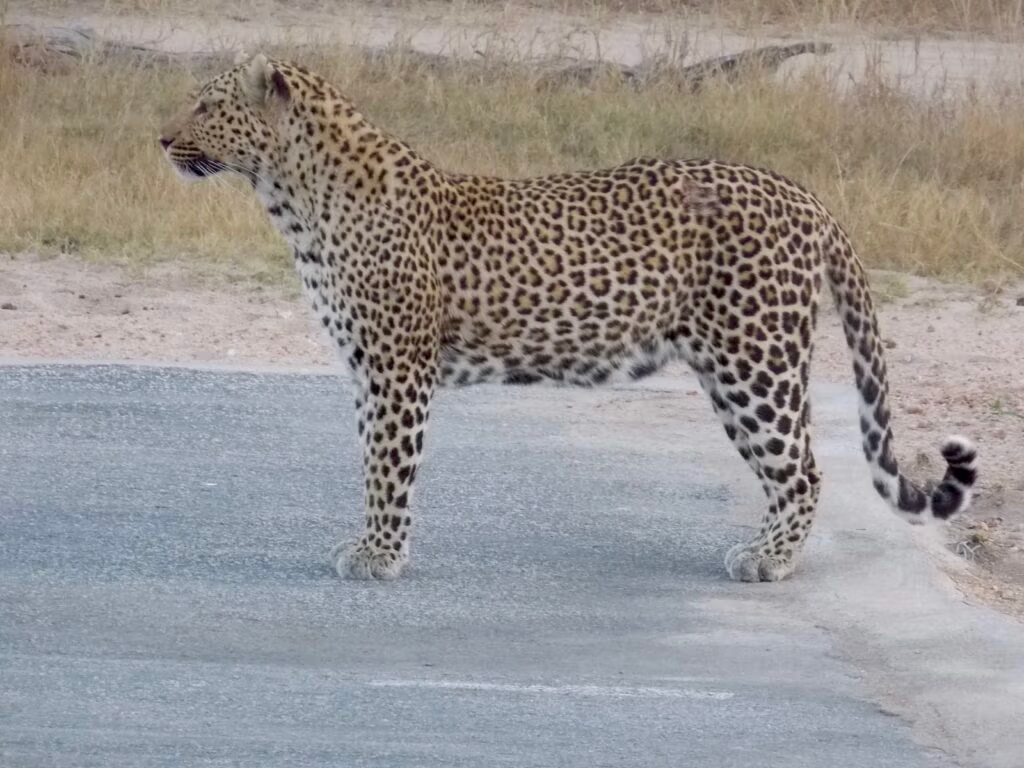
- Cost to Hunt Leopard: The average cost to hunt leopard is between $19,000 and $50,000. Namibia is generally the least expensive country for leopard hunts and Tanzania is the most expensive.
- Where to Hunt Leopard: Leopards can legally be hunted in several African countries though the activity is heavily regulated under CITES guidelines. Because leopard populations are closely managed, each country is allocated a strict annual quota. Each hunter can only import two leopard trophies into the United States per year.
- Namibia, Zimbabwe, Tanzania, and Mozambique: These countries have the most stable quotas and are therefore the best options for hunting leopard.
- Import/Export Status: It is legal to import your trophy into the United States from these countries. However, the required paperwork and permits must be flawless from both the exporting nation and the United States.
- South Africa, Zambia, and Botswana: These countries have very limited quotas and are highly restrictive on leopard hunts.
- Import/Export Status: Trophies from South Africa and Zambia can be imported into the United States with strict paperwork and permits required. Botswana leopard trophies are currently not allowed to be imported into the United States.
- Ethiopia and the Central African Republic: These countries also have legal leopard hunting for non-importable leopards.
- Import/Export Status: Importing your trophy into the United States is strictly prohibited from these two countries.
- Namibia, Zimbabwe, Tanzania, and Mozambique: These countries have the most stable quotas and are therefore the best options for hunting leopard.
Rhinoceros
- Cost to Hunt Rhinoceros: The average cost to hunt a rhino is between $7,000 and $135,000 depending on whether it is darted or harvested, the size of the horns, and its export/import status.
- Where to Hunt Rhinoceros: You can legally hunt a rhinoceros in only two countries–South Africa and Namibia. The Rhinoceros is critically protected under CITES. These hunts are among the most strictly regulated and highly scrutinized of all the animals.
- Darting a Rhino: Darting is definitely the least expensive way to hunt a rhino. Starting at $7,000 up to about $15,000. The size of the rhino pushes the price up.
- Why Dart a Rhino: You are paying to assist a veterinary team with an actual, required management task. While the rhino is safely anesthetized, the team performs necessary procedures like ear-notching for identification, inserting anti-poaching microchips into the horn, or collecting DNA samples and blood.
- Harvesting a Rhino:
- The price to harvest a white rhino costs between $50,000 up to $150,000+ for a white rhino. The price is mostly determined by the size of the horn.
- Import/Export Status: White rhino horns are currently importable to the United States from South Africa. However, an import permit is required to import a white rhino trophy from Namibia.
- Black rhino is a critically endangered species, and one of the most rare and expensive hunts. Legal hunting is limited to Namibia and South Africa through an incredibly strict permit system authorized by CITES.
- The price to harvest a white rhino costs between $50,000 up to $150,000+ for a white rhino. The price is mostly determined by the size of the horn.

Elephant
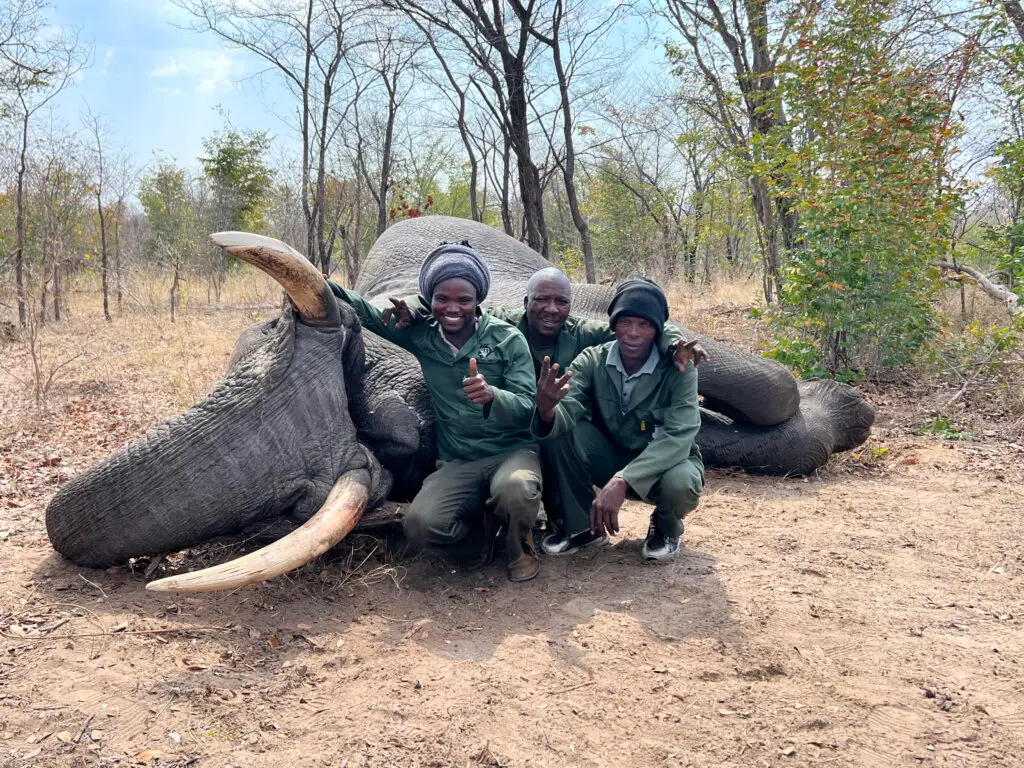
- Cost to Hunt Elephant: The average cost to hunt an elephant is $13,000 to $150,000 mainly depending on whether the trophy is importable or not. Cost based on import status is detailed below.
- Where to Hunt Elephant: Elephants can legally be hunted in Botswana, Namibia, Mozambique, South Africa, Tanzania, Zambia, and Zimbabwe.
- See our Elephant hunts.
Exportable Elephant Hunt
Cost to Hunt an Exportable Elephant: The average cost is between $45,000 to over $150,000 depending on the size of the tusks (if present), length of hunt, and country hunted.
Where to Hunt for an Importable Elephant: Elephants can legally be hunted in the African countries listed below and the trophies are importable to the United States if all the paperwork and permits are processed correctly.
- Botswana: The total package price ranges from $45,000 – $85,000 currently. It is currently the premier destination for high-quality, large-tusked bulls that meet export criteria. Botswana is home to the largest elephant population in Africa. The country reopened elephant hunting after a multi-year ban, making it a prime location for trophy bulls.
- Zimbabwe: The total package price ranges from $35,000 – $75,000. It is known for consistent trophy quality and classic safari conditions. It offers lower base rates, but you must confirm the specific concession has a valid USFWS “enhancement finding” and CITES tags.
- South Africa: Often features “management hunts” or limited trophy bulls on private reserves surrounding major parks like Kruger National Park.
- Namibia: The total package price ranges from $55,000 – $75,000. It offers free-range hunts in vast conservation blocks. Namibia is very reliable for import clearance.
- Mozambique, Tanzania, and Zambia: Regulated hunts are also legally available in these three countries. However, before booking a safari in any of these three countries, you must make sure that it is importable as policies can change rapidly based on active court challenges and administrative shifts.
Non-Exportable Elephant Hunt
- A non-exportable elephant hunt (often referred to as a management hunt, cull hunt, or problem animal control hunt) typically costs from $12,500 to $28,000 total package price. Because the hunter cannot keep the ivory or bring the skull home to the U.S., outfitters heavily discount these packages. The primary goal is usually wildlife management, population control, or resolving human-wildlife conflict rather than trophy hunting.
Lion
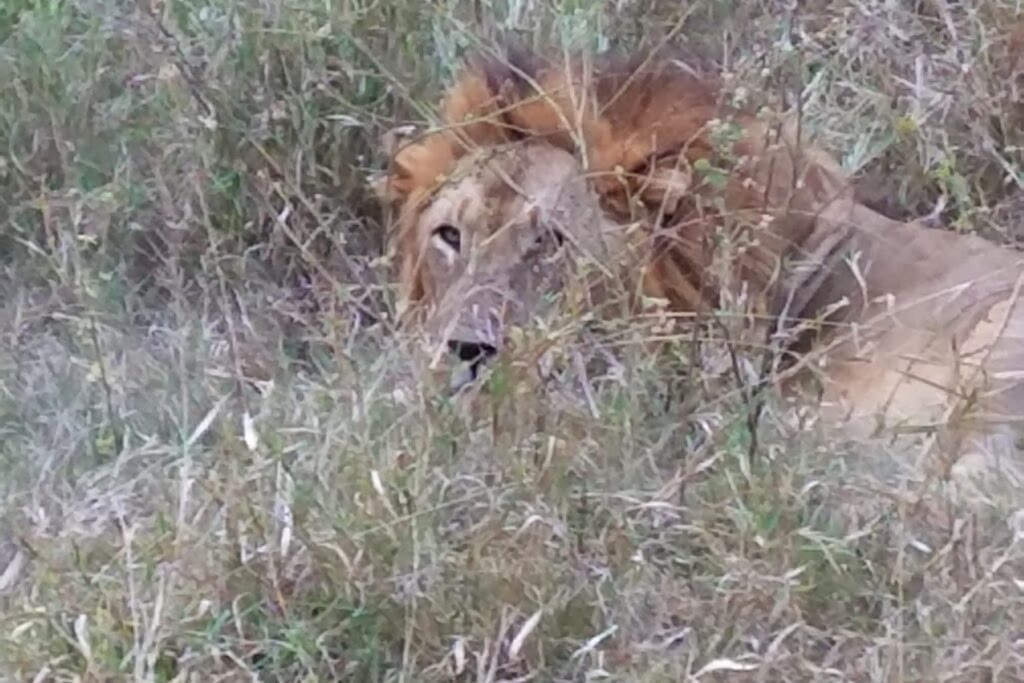
- Cost to Hunt Lion: The average cost to hunt an African lion is from $6,000 to over $120,000 depending on the gender of the lion, export/import status, country hunted, the size and color of its’ mane (males), and on whether the hunt is for a wild, free-ranging lion or a captive-bred lion.
- Where to Hunt Lion: It is legal to hunt lions in South Africa, Tanzania, Zimbabwe, Mozambique, Namibia, and Zambia.
Wild, Free-Ranging Lion Hunts – $50,000 to $120,000+
- These hunts take place in massive, unfenced wilderness areas and government concessions in countries like South Africa, Tanzania, Zimbabwe, Mozambique, Namibia, and Zambia.
- Import/Export Status: You can import trophies taken from genuinely wild populations or free-ranging, wild-managed reserves in South Africa, Zimbabwe, and Zambia. Tanzania is currently on a case-by-case basis. Namibia and Mozambique trophies currently face intense scrutiny and extensive documentation proving the specific hunt provided long-term conservation benefits before an import permit will be granted
Captive-Bred/High-Fence Hunts – $6,000 to $35,000
- These hunts primarily occur on private, fenced game ranches in South Africa which often span 6,000 to 12,000+ acres.
- The price depends on the sex and mane size and color.
- These operations face significant scrutiny from international conservation groups and have triggered severe legal restrictions.
- Import/Export Status: These trophies are not importable to the United States.
Critical Warning: When hunting leopard, lion, rhino, and elephant, it is important to understand the current export/import rules and regulations to transport any animal parts from the country exported to the country it will be imported into. These regulations can change rapidly, so always double check the current export/import status.