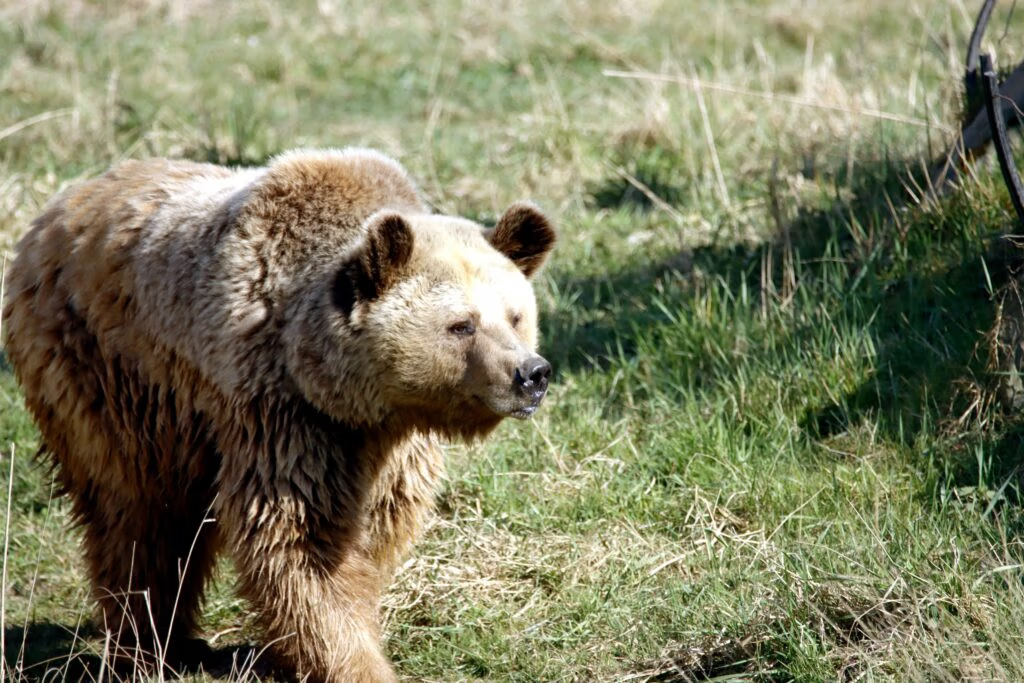

About the Grizzly Bear
Info About the Grizzly Bear
The grizzly bear is an awe-inspiring subspecies of the North American brown bear, widely recognized for its massive shoulder hump, dish-shaped facial profile, and distinctive silver-tipped fur. Though they are formidable apex predators, grizzlies are primarily opportunistic omnivores whose survival relies on a remarkable blend of strength and intelligence.
Despite their fierce reputation, 80 to 90 percent of a grizzly’s diet often consists of vegetation. In the spring, they forage for roots and emerging greenery, while summer and fall are dedicated to stripping bushes of berries and digging for cached prey in a race against the seasons. This intensive foraging culminates in hyperphagia—a frantic, weeks-long period where a bear can gain over 3 pounds a day simply by eating for up to 23 hours. This immense caloric intake allows them to build up the necessary fat reserves to survive winter denning, during which they can safely lose up to 30 percent of their body weight while in a state of lethargy.
These magnificent animals also play a vital role as keystone species in maintaining the health of their ecosystems. As they dig for roots and rodents, they turn the soil, which helps aerate the earth and cycle vital nutrients like nitrogen. Furthermore, their digestive habits act as a natural delivery system, dispersing seeds from fruits and berries far and wide across their home ranges.
While they once roamed across much of western North America, habitat loss and human encroachment have reduced their footprint, leaving the majority of the population isolated to areas like Alaska, western Canada, and a few protected pockets in the northwestern United States. Because mothers are fiercely protective of their cubs, and due to the bears’ natural size and impressive speeds of up to 30 mph, encounters with humans can sometimes be dangerous. Consequently, peaceful coexistence relies heavily on careful land management, proper food storage, and heightened public awareness when recreating in bear country.
Description of the Grizzly Bear
The physical specifications of the grizzly bear are as follows:
- Length: Ranging from 36 to 108 inches long from head to tail.
- Weight:
- Adult males average from 400 to 600 pounds.
- Females are roughly 10% to 20% smaller, averaging from 250 to 350 pounds.
- Maximum weights can exceed from 800 to 1,000 pounds in nutrient-rich coastal areas or prior to winter hibernation.
- Shoulder Hump: A distinct mass of muscle atop the shoulders connected directly to the spine, providing immense strength and leverage for excavating roots, dens, and prey.
- Claws: Front claws measure from 2 to 4 inches long, are nearly straight, and are distinctly longer and less curved than those of the black bear.
- Facial Profile: Concave or “dished” facial structure accompanied by short, rounded ears and a pronounced brow ridge
Recommended Calibers
Use a minimum of a .30 caliber magnum rifle to hunt grizzly bears. Bigger is better when trying to harvest grizzly bears.
Where to Hunt Grizzly Bear
Grizzly bear hunting in North America is legally restricted to Alaska, the Yukon, and the Northwest Territories. It is illegal to hunt grizzly bears in the lower 48 United States (like Montana, Idaho, or Wyoming), where they are protected as a threatened species. British Columbia also banned grizzly trophy hunting entirely.
Top Legal Hunting Destinations
- Alaska, USA: The premier destination holding roughly 80% of the continent’s grizzly and coastal brown bear population. Non-resident hunters must hire a licensed master guide by law.
- Yukon Territory, Canada: Famous for mountain “silvertip” grizzlies. Non-residents are legally required to book through a registered outfitter.
- Northwest Territories, Canada: Offers coastal and barren-ground grizzly hunts. These are typically conducted using snowmobiles in the spring or boats and quads in the fall.