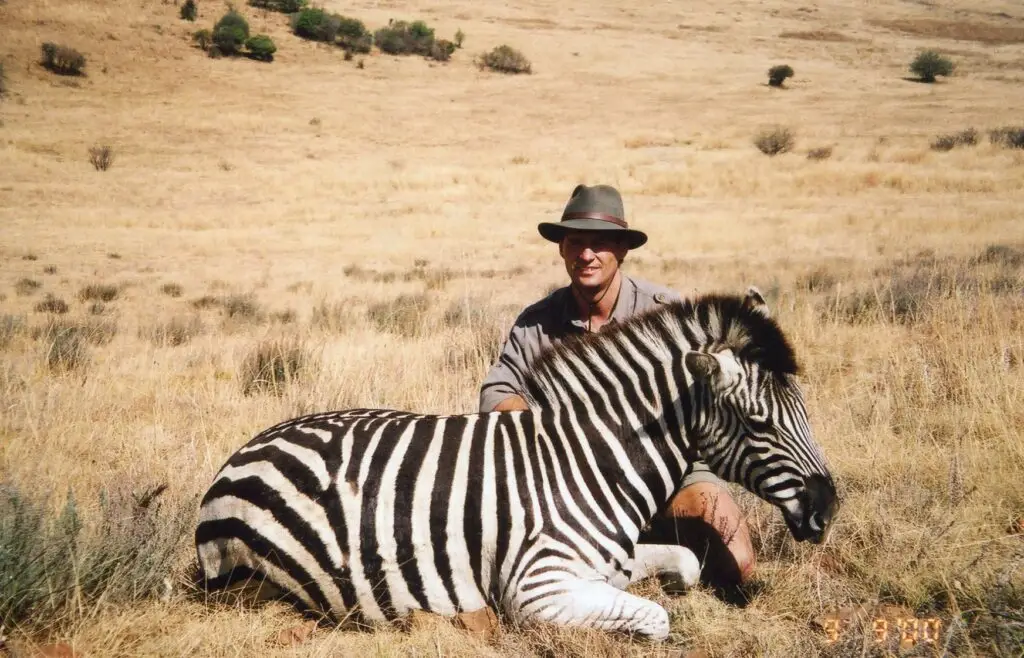

About the Zebra
Info About the Zebra
Zebras are iconic African mammals recognized for their bold black-and-white stripes. Closely related to horses and donkeys, they are highly social animals that rely on tight-knit herd structures and impressive agility to survive in the wild.
The most famous feature of the zebra is its striking coat. Just like human fingerprints, every zebra has a unique pattern of stripes. Scientists believe this pattern acts as a natural bug repellent—confusing biting horseflies—and helps the animals recognize one another. While the fur features white and black patterns, the animal’s underlying skin is entirely black.
Native to sub-Saharan Africa, zebras are herbivores that spend much of their day grazing on grasses. Living in groups called “harems,” zebras form deep social bonds. A typical family group consists of one adult male, known as a stallion, alongside several females and their young. To protect themselves from predators like lions and hyenas, these herds act cooperatively, often running in zigzag patterns to throw attackers off track. Their keen senses and powerful kick make them highly resilient survivors.
Description of the Zebra
Zebras are from 4 to 5 feet tall at the shoulders.
As adults they typically weigh from 450 to 950 pounds depending on the species.
Their eyes are positioned high and on the sides of the head, allowing them to look over tall grass while grazing
Zebra Species / Subspecies
There are three main species of zebras; the plains zebra, mountain zebra, and Grévy’s zebra. Each species has adapted to different environments, from sprawling savannas to steep, rocky mountainous terrain.
Plains Zebras
Plains zebras are the most common and are famous for massive migrations across the Serengeti in search of fresh food and water. They are located in southern and eastern Africa. The plains zebra has 5 living subspecies:
- Grant’s / Boehm’s Zebra: The most populous subspecies, primarily found in East Africa (Tanzania to Kenya).
- Chapman’s Zebra: Recognized by distinct “shadow stripes” (fainter brown stripes) between the bold black ones. Found from South Africa to Zimbabwe.
- Crawshay’s Zebra: Known for very narrow stripes; located in eastern Zambia and Malawi.
- Damara Zebra: Found mostly in Namibia and Angola.
- Burchell’s Zebra: Notable for having stripes mostly on the forequarters and plain hindquarters. Burchell’s live in South Africa, Kenya, Tanzania, Botswana, Zimbabwe, Zambia, and Mozambique.
Mountain Zebra have 2 Subspecies:
- Cape Mountain Zebra: Confined strictly to specific mountainous regions in South Africa.
- Hartmann’s Mountain Zebra: Slightly larger than the Cape Mountain zebra, with less barring on the belly. Found in Namibia and southwestern Angola. The Hartmann’s is often available in game preserves in South Africa.
Grevy’s Zebra
The Grevy’s species which lives in eastern Africa, does not have any subspecies.
Recommended Calibers
Use a minimum of a 7mm caliber magnum rifle to hunt zebra. These calibers provide the deep penetration and knock-down energy needed to hunt these tough, thick-skinned animals.
Where to Hunt Zebra
Zebra hunting is widely available in southern and eastern Africa. See the Species and Subspecies section to learn about where you can find the various kinds of zebras.
Both Texas and Oklahoma have Zebra hunts available in high-fenced hunting preserves. Most of these ranches have the Grant’s subspecies of the Plains Zebra, but you can occasional find the Grevy’s and Hartmann’s available.
What is Considered a Trophy Zebra
Any mature stallion is considered a trophy zebra.
Cost to Hunt Zebra
In Africa, it costs from a $500 to $5,000 trophy fee to hunt a zebra.
In the USA, it costs from $7,500 to $13,000 to hunt zebra depending on the ranch you choose.
View Our Hunts